Visiting Yellowstone National Park in the Fall
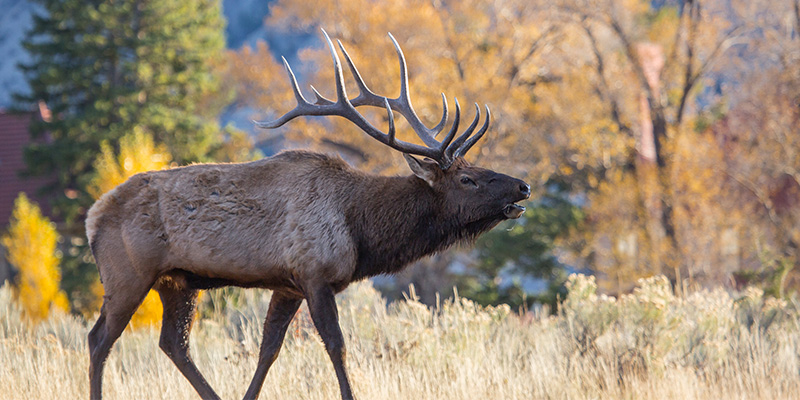 Photo courtesy NPS/Neal Herbert
We have one more month to drive the Beartooth Highway (weather permitting), and if you haven't already added this to your bucket list, I highly recommend it. The 68-mile drive between Red Lodge and Cooke City takes you 10,947 feet above sea level. It is an engineering feat, and a jaw-dropping drive through one of the most rugged and wild areas in the lower 48. You'll travel through diverse ecosystems, starting with lodgepole pine forests, to an alpine tundra covered in wildflowers, lakes and snow that lingers into the summer.
Entering Yellowstone National Park from Montana
It's a stunning way to enter Yellowstone National Park (YNP), which is a timely topic. Visiting Yellowstone National Park in the fall is one of our favorite times of year. Montana's Yellowstone Country is home to three of the five entrances to YNP — the North Entrance in Gardiner, the Northeast Entrance in Cooke City and Silver Gate, and the West Entrance in West Yellowstone.
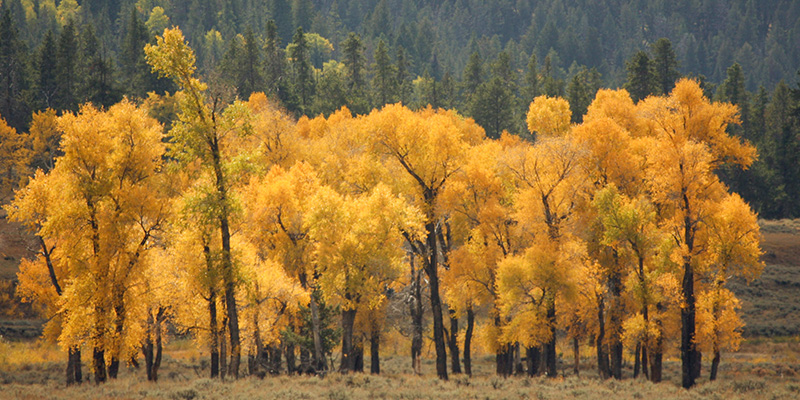 Photo courtesy NPS/Jim Peaco
Traveling to any of the YNP entrances, you'll find yourself on a scenic drive you won't soon forget. And each gateway town has a charm of its own where you'll find cozy accommodations, a variety of restaurants, and a lovely quiet that comes with the slowing of the season. Crowds lessen, which means you may be able to stay at some of the iconic lodges. Temperatures fall to between 20 and 65 degrees Fahrenheit, and the shorter days mean you don't have to wake as early or stay out as late to see wildlife.
Prime Wildlife Watching
Autumn is a prime time for wildlife watching. The bison rut (mating season) begins in August, and the elk in September. It's not uncommon to witness the bulls sparring with one another over the females. Listen for the high-pitched elk bugling to one another. (As always, keep your distance, at least 25 yards for bison and elk, 100 yards for wolves and bears.)
Bears are busy foraging before hibernating and can be found in roadside meadows, and with the shorter days, it's not such an early morning or late evening if you are trying to spot wolves. The Lamar Valley in the northeast part of the park and the Hayden Valley, west of the Yellowstone River between Canyon Village and Lake Village, are good areas to explore, so bring binoculars if you have a pair.
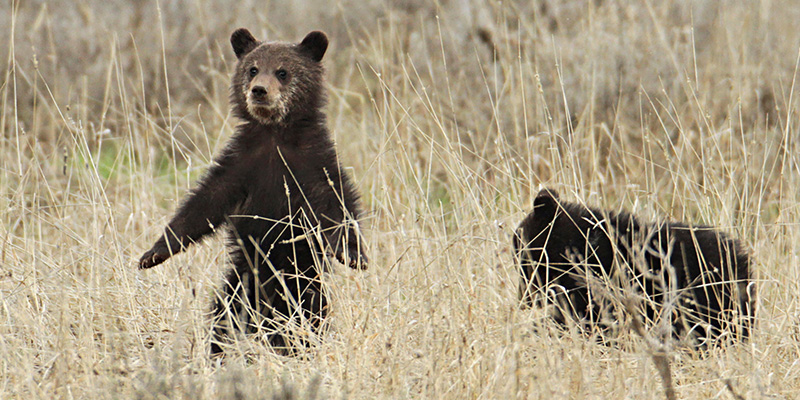 Photo courtesy NPS/Jim Peaco
Fishing and Bird Watching in Yellowstone
Brown trout are abundant, and they spawn in the fall. With the cooler weather, they become more active. (Be sure to look out for their spawning beds.) Colder temperatures and shorter days also trigger bird's instinct to migrate from the park . The raptor migration begins in Hayden Valley, Dunraven Pass, Mount Washburn and Swan Lake Flats where at least 17 species of raptors use the area as a migration corridor.
Ranger-led Programs and Tours
Most ranger-led programs (talks, tours and events) run through mid September, with the Artist's Point talk running through late September. Guided tours from authorized companies are available through October. You can find a list of options and companies here.
Leaf Peeping
While 80% of Yellowstone is conifer trees, you can still find scenic pockets of cottonwood, aspen, birch and a variety of shrubs and grasses which change from shades of green to reds, oranges, purples and yellows in the fall. Bunson Peak Trail is a great hike with lots of color. Other areas great for leaf peeping include Grand Loop Road, Lamar Valley, Blacktail Plateau, Lewis Falls and Canyon, Grand Prismatic Spring and Swan Lake Flat.
The road between the North and Northeast Entrances stays open year-round, but the rest of the roads are scheduled to close Oct. 31. Depending on the year, there is often a short window before the cold weather slips in, during which fall biking inside the park is fabulous. Without the traffic, the vastness is pronounced.
And, if your trip coincides, there are two fee-free days in the fall, Constitution Day and Theodore Roosevelt's Birthday.
Enjoy the season!