The Cowboy Spirit Lives on in Montana
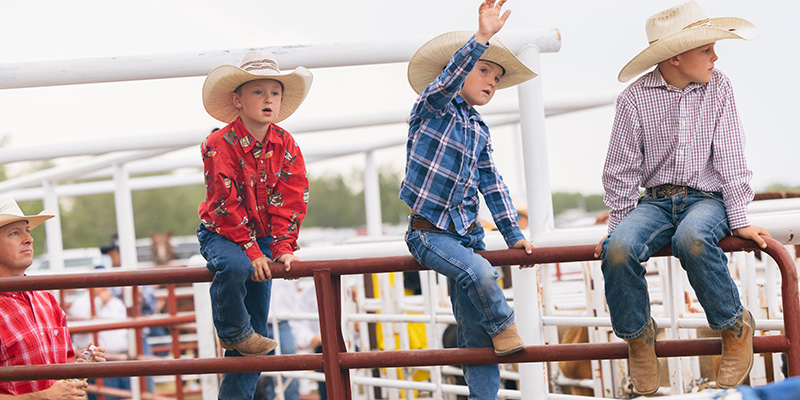 Red Lodge Home of Champions Rodeo, photo by Andy Austin
Tomorrow is National Day of the Cowboy. It’s a celebration of the enduring legacy and contributions of cowboys to American culture and lifestyle. It honors their courageous spirit, hard work, and, quite literally, their role in feeding our country.
History of Ranching in Montana
For the history buffs out there, I want to share a bit of background. Ranching in Montana’s Yellowstone Country grew alongside the gold rush, when mining and timber camps grew, and the Army brought in more troops to protect the growing population, increasing the demand for food. Nelson Story, a gold miner who hit it big in Alder Gulch, used his profits to drive the first herd of cattle from Texas to Bozeman. The four-month journey was harrowing, but once here, Story found he could sell the cattle for profits ten times larger than in Texas. Many others followed suit, with one account reporting 50 different herds being driven to Montana at once.
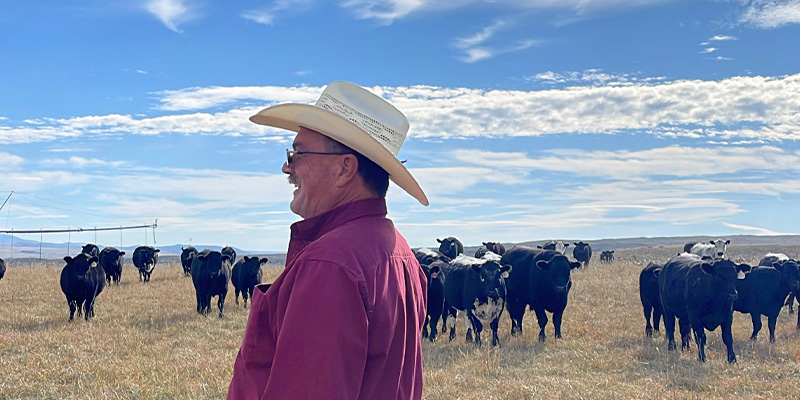 Muddy Creek Ranch, photo by Caroline Nelson
Part of the appeal of Montana was the large tracts of unfenced land where the cattle could roam freely. The grasses in Montana were also a draw, as they cured upright, allowing cattle to continue grazing throughout the winter. However, these open-range days were short-lived. The summer of 1886 was hot and dry, followed by a cold, icy winter in 1887, and without shelter, tens of thousands of cattle either froze or starved to death. Estimates say ranchers lost more than half of the cattle in Montana, prompting them to raise smaller herds, kept in fenced enclosures, while they simultaneously prepared the land and stored feed for the harsh winters.
A Booming Sheep Industry
Sheep, however, handled the winter much better than the cattle, and Montana soon became the top sheep-producing state in the nation. By 1895, Big Timber was the biggest wool producer in the U.S., shipping more than five million pounds of wool that year alone.
Today, cattle herds nationwide are at their lowest levels since 1951. Though high prices can be beneficial for ranchers, the situation also creates significant risk in their cost inputs, creating a volatile market, which causes ranchers to act defensively as much as offensively, and requires planning much further ahead.
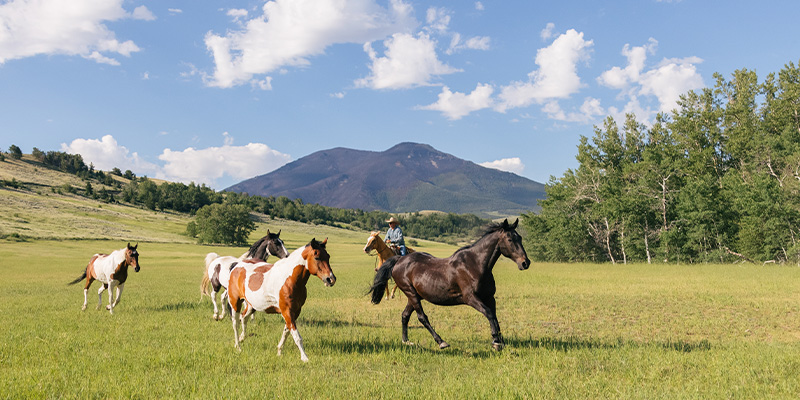 Elk River Outfitters, photo by Andy Austin
Western Culture is Alive and Well
As for the romantic aspect, rest assured, Western culture and lifestyle is alive and well. Montana’s legislature adopted rodeo as the statewide sport, and you’ll find a competition most summer weeks throughout the region. Cattle drives still happen, and every Labor Day, the Great Montana Sheep Drive takes place in Reed Point.
And the cowboy spirit? It’s still going strong. Montana is among the states that recognize the Cowboy Code (also called the Code of the West), a set of principles that feel relevant far beyond the ranch gate:
The Cowboy Code
- Live each day with honesty and courage.
- Take pride in your work. Always do your best.
- Stay curious. Study hard and learn all you can.
- Do what has to be done and finish what you start.
- Be tough, but fair.
- When you make a promise, keep it.
- Be clean in thought, word, deed and dress.
- Practice tolerance and understanding of others.
- Be willing to stand up for what’s right.
- Be an excellent steward of the land and its animals.
To all who embody the cowboy spirit, we salute you.
Happy trails!